


Introduction
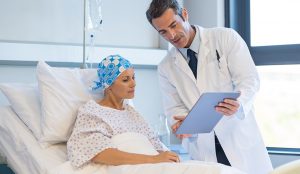
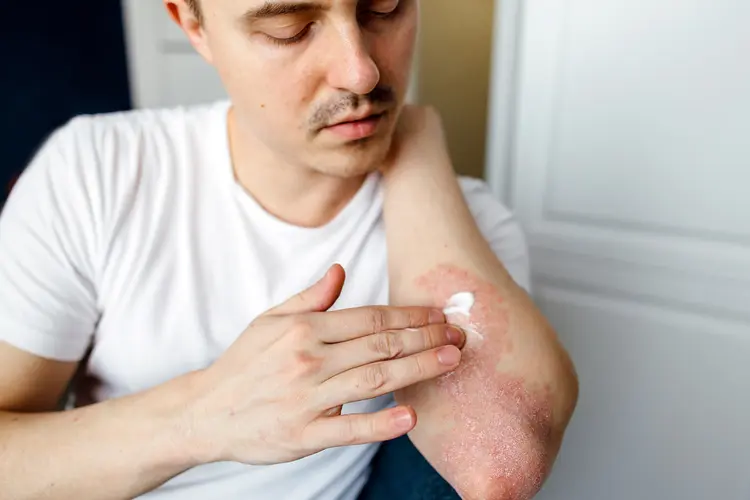
The term treatment refers to the broad spectrum of medical, surgical, psychological, and lifestyle interventions aimed at restoring or improving health. In today’s healthcare landscape, treatment is not just about addressing symptoms but about understanding the underlying causes, tailoring interventions to individual needs, and improving long-term outcomes. A well-designed treatment protocol ensures that every step—from diagnosis to recovery—is evidence-based, patient-centered, and continuously evaluated for effectiveness.
What Treatment Really Means
Treatment encompasses any action or intervention designed to manage illness, relieve symptoms, or prevent further complications. It involves clinical decision-making, professional expertise, patient preferences, and the integration of scientific research. Successful treatment depends on finding the balance between what’s medically optimal and what’s personally suitable for the patient.
The Three Pillars of Effective Treatment
Every effective treatment strategy relies on three essential components:
- Evidence-based practice: Using the best available research to guide clinical decisions.
- Clinical expertise: Applying professional judgment and experience to adapt treatment to each patient.
- Patient values and circumstances: Considering cultural, emotional, and practical factors that influence compliance and satisfaction.
These three elements work together to form a treatment approach that is both scientifically valid and personally meaningful.
Stages of a Treatment Protocol
A structured treatment protocol helps standardize care and ensures consistency across healthcare settings. It typically unfolds through several key stages.
1. Assessment and Diagnosis
Accurate diagnosis is the cornerstone of treatment. This stage includes:
- Gathering detailed medical and lifestyle history
- Performing physical exams and diagnostic tests
- Identifying the type, stage, or severity of the condition
- Understanding the patient’s treatment goals and priorities
Without a precise diagnosis, even the most advanced treatment may fail to deliver results.
2. Planning and Selection of Treatment
Once the condition is defined, the clinician and patient collaborate to select a treatment strategy. This step involves reviewing available evidence, considering potential risks and benefits, and aligning with patient goals. Treatment plans may include first-line, second-line, or alternative therapies depending on the condition’s complexity.
3. Implementation
After selection, the treatment plan is put into action. Key elements include:
- Establishing medication schedules, therapy routines, or surgical timelines
- Educating patients about expectations, side effects, and self-care
- Coordinating care among multiple professionals such as physicians, therapists, and dietitians
- Monitoring patient adherence and engagement
Implementation succeeds when communication and consistency are maintained between the care team and the patient.
4. Monitoring and Evaluation
Monitoring ensures that treatment is effective and safe. Healthcare professionals regularly review outcomes such as symptom changes, laboratory values, imaging results, and overall well-being. Adjustments are made when the expected improvement is not achieved or when side effects occur.
5. Modification or Discontinuation
If the treatment fails to meet goals or causes complications, the protocol may require modification. This could mean switching medications, combining therapies, or discontinuing the intervention entirely. Flexibility and ongoing evaluation are key to long-term success.
Categories of Treatment Modalities
Pharmacological Treatments
Medications are among the most common treatment tools. They may aim to cure, control, or prevent disease progression. When prescribing drugs, healthcare providers consider:
- The mechanism of action and pharmacological profile
- Potential side effects and interactions
- Appropriate dosage and route of administration
- Monitoring requirements for safety and efficacy
Medication protocols are updated regularly to align with the latest research and patient outcomes.
Surgical and Procedural Treatments
When structural abnormalities or tissue damage exist, surgical or procedural treatments may be required. These can include minimally invasive techniques or complex reconstructive surgeries. A strong treatment protocol includes:
- Thorough pre-operative evaluation and patient preparation
- Precise surgical execution using advanced technology
- Post-operative rehabilitation and follow-up care
Surgical treatments often work best when integrated with medical therapy and lifestyle management.
Behavioral and Lifestyle Treatments
Lifestyle changes form the foundation of treatment for many chronic conditions. They can greatly enhance recovery and reduce relapse risk. Examples include:
- Nutrition therapy: Adopting balanced diets to support metabolic health
- Exercise programs: Promoting cardiovascular strength and musculoskeletal health
- Sleep regulation: Ensuring adequate rest for physical and mental recovery
- Stress management: Incorporating relaxation techniques and mindfulness practices
Behavioral treatment empowers patients to take control of their own healing process.
Psychological Treatments
Psychological health profoundly affects physical recovery. Therapies such as cognitive behavioral therapy (CBT), psychotherapy, and counseling are often combined with medical treatment. They help patients manage anxiety, depression, trauma, or adjustment challenges related to illness.
Rehabilitation and Restorative Treatments
Rehabilitation focuses on helping patients regain lost function and independence after illness or injury. It includes physical therapy, occupational therapy, speech therapy, and pain management. The goal is to restore mobility, strength, and confidence through structured and progressive care.
Complementary and Integrative Treatments
Integrative care combines traditional medical approaches with complementary therapies such as acupuncture, massage, or mindfulness-based interventions. These methods can improve comfort, reduce stress, and enhance patient satisfaction when used responsibly under professional guidance.
The Role of Personalization in Modern Treatment
No two patients respond to treatment in exactly the same way. Personalized or precision medicine tailors therapy to an individual’s genetic makeup, lifestyle, and environment. This approach uses biomarkers, diagnostic imaging, and predictive analytics to anticipate how a patient will respond to specific interventions. The goal is to deliver the right treatment at the right time for the right person.
Monitoring Outcomes and Continuous Improvement
A modern treatment protocol includes ongoing measurement and refinement. Healthcare teams collect and analyze data on outcomes, patient feedback, and long-term results. This allows continuous improvement in protocols and ensures that patients receive the highest standard of care.
Common Challenges in Treatment Delivery
While medical science has advanced dramatically, several challenges remain:
- Adherence issues: Patients may struggle to follow long-term regimens due to cost, complexity, or side effects.
- Treatment resistance: Some diseases, such as infections or cancers, may become resistant to standard therapies.
- Access barriers: Geographic, financial, and social factors can prevent patients from receiving timely treatment.
- Coordination gaps: Communication failures between care providers can compromise continuity of care.
Addressing these challenges requires collaboration, innovation, and patient empowerment.
Future Directions in Treatment
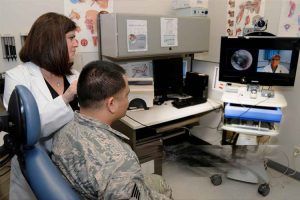
The future of treatment lies in integration and innovation. Emerging technologies such as artificial intelligence, regenerative medicine, gene therapy, and wearable monitoring devices are transforming how care is delivered. Predictive modeling, remote monitoring, and personalized data analytics are already shaping next-generation treatment protocols.
FAQs
What defines a successful treatment?
A successful treatment not only resolves or manages the condition but also enhances the patient’s quality of life, minimizes side effects, and aligns with their personal goals.
Can lifestyle changes replace medical treatment?
In some cases, especially for early-stage or lifestyle-related diseases, lifestyle modification can significantly reduce the need for medication. However, for serious or advanced conditions, lifestyle changes are usually complementary, not replacements.
How often should treatment plans be reviewed?
Treatment plans should be reviewed at regular intervals or whenever a patient’s condition changes. Chronic diseases often require reassessment every few months, while acute treatments are evaluated more frequently.
What role does patient education play in treatment?
Patient education ensures that individuals understand their condition, treatment purpose, and the importance of adherence. Well-informed patients are more likely to follow through and achieve better results.
Why do some treatments fail even when followed correctly?
Biological variability, genetic differences, coexisting health issues, and unpredictable disease progression can all influence treatment outcomes. Adjustments and reassessment are essential parts of continuous care.
What is the difference between curative and palliative treatment?
Curative treatment aims to completely eliminate the disease, while palliative treatment focuses on relieving symptoms and improving comfort when a cure is not possible.
This comprehensive overview highlights that treatment is far more than a simple medical act—it’s a dynamic, evolving process that combines science, empathy, and adaptability. By following a well-designed treatment protocol grounded in evidence and compassion, healthcare professionals can provide patients with the best possible outcomes and quality of life.