



Transitioning from military service to civilian life presents unique hurdles for many Australian Defence Force (ADF) personnel. While the physical demands of service are well understood, the mental health impacts can linger long after the uniform is removed. Ensuring veterans have access to timely and effective support systems is essential for their successful reintegration into the community. It is not just about treating conditions but empowering individuals to lead fulfilling lives.
One of the primary barriers veterans face is the stigma surrounding mental health. Many service members are trained to be resilient and self-reliant, which can make asking for help difficult. Additionally, the complex nature of service-related trauma, such as PTSD, anxiety, and depression, requires specialised care. This is where targeted resources become vital. For example, accessing veteran psychiatric assessment services early in the process can provide a clear diagnosis and a roadmap for recovery, ensuring that veterans receive the specific care they need rather than a generic approach.
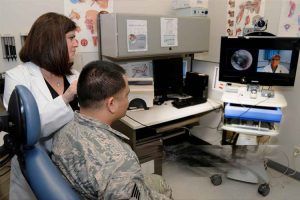
In Australia, the geographical spread of veterans adds another layer of complexity. Those living in regional or rural areas often struggle to find local specialists who understand military culture. Telehealth has emerged as a powerful tool to bridge this gap, connecting veterans with psychiatrists and psychologists regardless of location. By removing the need for long-distance travel, digital health solutions make consistent therapy more achievable for those outside major cities.
The Department of Veterans’ Affairs (DVA) plays a central role in funding and facilitating these treatments. Recent changes have aimed to simplify the process, allowing veterans to access mental health treatment for any condition without needing to prove it was service-related initially. This “Non-Liability Health Care” coverage is a significant step forward. It acknowledges that waiting for bureaucratic approval can exacerbate mental health struggles. Immediate access allows for early intervention, which often leads to better long-term outcomes.
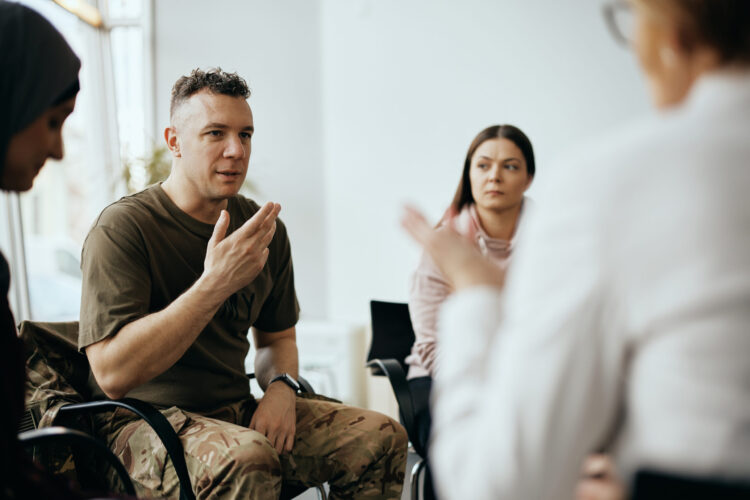
Beyond clinical treatment, peer support networks are invaluable. Connecting with others who have shared experiences creates a sense of belonging that is often lost upon discharge. Community groups and ex-service organisations provide safe spaces for veterans to talk openly without fear of judgment. These connections combat isolation and reinforce the message that no one has to handle their struggles alone.
Family members also need support. The mental health of a veteran impacts their partners and children. Providing education and counselling for families helps them understand what their loved one is experiencing and how best to offer support. A holistic approach that includes the family unit strengthens the veteran’s support system significantly.
Creating a truly accessible mental health framework requires continuous effort. It demands collaboration between government bodies, healthcare providers, and community organisations. By prioritising specialized care, reducing administrative burdens, and embracing technology, Australia can ensure its veterans receive the respect and support they deserve. Empowering veterans means giving them the tools to manage their mental health effectively, allowing them to thrive in their civilian lives.