

Introduction
In the evolving world of health and wellness, the use of dietary supplements has become an integral part of modern living. From vitamins and minerals to botanical extracts and probiotics, supplements play a key role in supporting overall well-being and addressing nutritional gaps. In the United States, millions of adults incorporate at least one supplement into their daily routine, aiming to enhance energy, immunity, cognition, or general health. While supplements are often associated with convenience, their effectiveness depends on scientific formulation, quality, and individualized needs. Understanding how they work, when they are beneficial, and how to use them safely is crucial for achieving real health benefits.
What Are Supplements and Why Are They Used?
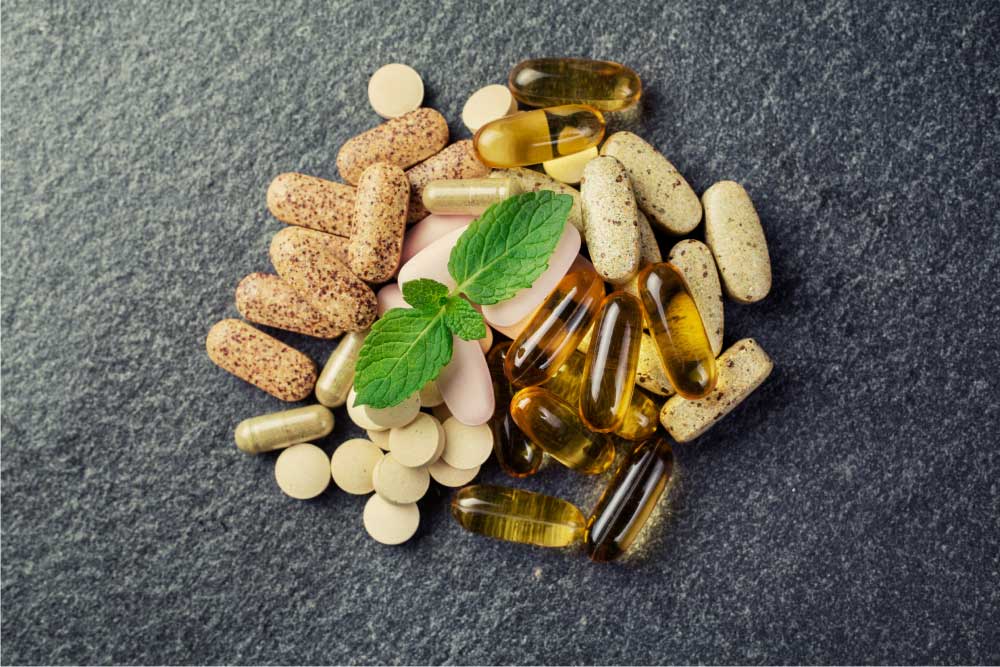
Supplements are concentrated sources of nutrients or bioactive compounds designed to complement the diet. They can come in various forms, including capsules, powders, liquids, or gummies. Common types include:
- Vitamins and minerals: Essential nutrients like vitamin D, vitamin B12, calcium, and iron that support normal body functions.
- Amino acids and proteins: Building blocks of tissues, used for muscle repair, growth, and recovery.
- Herbal and botanical extracts: Plant-derived substances such as ashwagandha, turmeric, and ginseng used for their therapeutic benefits.
- Probiotics and enzymes: Microorganisms and natural catalysts that improve gut health and digestion.
People use supplements to prevent deficiencies, enhance performance, support immune function, or target specific health concerns like joint pain, fatigue, or poor sleep.
The Science Behind Supplement Effectiveness
The human body requires a precise balance of nutrients to function efficiently. Modern lifestyles, stress, and processed diets often make it difficult to obtain optimal nutrition from food alone. Supplements bridge this gap, but they are not a substitute for a balanced diet. Instead, they enhance what may be lacking or insufficient.
How Supplements Work in the Body
Supplements act at the cellular and metabolic levels. For instance:
- Vitamins act as cofactors for enzymes, helping chemical reactions that drive metabolism and energy production.
- Minerals maintain electrical balance, muscle contraction, and nerve signaling.
- Amino acids aid in tissue repair, hormone synthesis, and neurotransmitter production.
- Herbal compounds can modulate inflammation, hormonal balance, or stress responses by interacting with biochemical pathways.
The bioavailability of supplements—the proportion absorbed and used by the body—varies by form and quality. For example, calcium citrate is more easily absorbed than calcium carbonate, and vitamin D3 is more effective than D2.
Importance of Quality in Supplement Manufacturing
Not all supplements are created equal. The effectiveness of a supplement depends heavily on its purity, formulation, and manufacturing standards. High-quality supplements are tested for contaminants, potency, and accuracy of labeling. Key aspects include:
- Good Manufacturing Practices (GMP): Ensuring products are consistently produced under strict quality control.
- Third-party testing: Verification by independent laboratories for safety and efficacy.
- Standardized extracts: Ensuring consistent levels of active ingredients, particularly for herbal supplements.
- Proper dosage: Each nutrient must be present in clinically effective amounts, neither too low to be ineffective nor too high to cause harm.
Choosing supplements from reputable manufacturers that follow these standards is critical to achieving reliable health outcomes.
Categories of Supplements and Their Benefits
1. Vitamins and Minerals
These are among the most commonly used supplements. They support everything from bone strength and immunity to cognitive function and metabolism.
- Vitamin D enhances calcium absorption and bone health while also influencing mood regulation.
- Vitamin B12 supports nerve function and energy production, particularly important for vegetarians and older adults.
- Iron replenishes hemoglobin levels and combats fatigue in individuals with anemia.
- Zinc and vitamin C boost immune defense and tissue repair.
Balanced vitamin and mineral intake is essential for maintaining cellular function and preventing chronic deficiencies.
2. Protein and Amino Acid Supplements
Protein powders and amino acid blends are vital for athletes, fitness enthusiasts, and individuals recovering from illness. These supplements promote muscle synthesis, repair tissues, and maintain satiety. Common sources include whey, casein, pea, and soy protein. Branched-chain amino acids (BCAAs) are often used to reduce muscle soreness and improve recovery after exercise.
3. Herbal and Botanical Supplements
Plant-based supplements are gaining traction due to their natural composition and therapeutic potential. Some widely studied examples include:
- Turmeric (curcumin): Known for anti-inflammatory properties that may support joint and brain health.
- Ashwagandha: Helps reduce stress, anxiety, and cortisol levels while improving energy and endurance.
- Ginseng: Enhances mental performance, immune resilience, and overall vitality.
- Milk thistle: Promotes liver detoxification and antioxidant protection.
Botanical supplements often provide multi-system benefits when used consistently and appropriately.
4. Probiotics and Digestive Enzymes
Gut health is central to overall wellness. Probiotics introduce beneficial bacteria that support digestion, nutrient absorption, and immune balance. Digestive enzyme supplements assist in breaking down macronutrients, improving gastrointestinal comfort and reducing bloating. These are particularly beneficial for individuals with digestive disorders or those who consume processed diets lacking natural enzymes.
5. Omega-3 Fatty Acids
Omega-3 supplements, derived from fish oil or algae, provide essential fatty acids such as EPA and DHA that support cardiovascular, brain, and joint health. They reduce inflammation, improve triglyceride levels, and may enhance cognitive performance and mood regulation.
6. Specialized Functional Supplements
Certain supplements are designed for targeted health goals:
- Collagen peptides: Support skin elasticity, joint flexibility, and bone strength.
- Melatonin: A natural sleep aid that helps regulate circadian rhythm.
- Coenzyme Q10 (CoQ10): Enhances energy production in cells and supports heart health.
- Nootropics: Supplements that improve focus, memory, and cognitive clarity.
These advanced formulations cater to specific physiological needs and lifestyle demands.
The Role of Supplements in Preventive Health
Prevention is the foundation of modern healthcare. Supplements contribute by reducing the risk of deficiencies and chronic diseases. For example:
- Calcium and vitamin D reduce the risk of osteoporosis.
- Folic acid prevents neural tube defects in pregnancy.
- Omega-3s support cardiovascular health and cognitive aging.
- Antioxidants like vitamin E and selenium protect cells from oxidative stress.
When combined with healthy eating, regular exercise, and adequate sleep, supplements enhance resilience and long-term vitality.
Risks and Misconceptions
Despite their popularity, supplements can pose risks if misused or overconsumed. Common misconceptions include assuming that “natural” means “safe” or that “more is better.” Excessive intake of fat-soluble vitamins like A, D, E, and K can lead to toxicity. Combining multiple products without professional advice can also cause nutrient overlap or adverse interactions. Responsible supplementation requires guidance from healthcare professionals and awareness of one’s individual health profile.
Integrating Supplements with Lifestyle
Supplements work best when integrated into a holistic lifestyle. Key habits to support their effectiveness include:
- Eating nutrient-dense, whole foods for baseline nutrition.
- Staying hydrated to improve nutrient absorption.
- Exercising regularly to enhance metabolism and circulation.
- Managing stress through mindfulness and adequate sleep.
When these foundational habits are in place, supplements act as powerful tools for optimization rather than correction.
Future of the Supplement Industry
Advancements in biotechnology and personalized nutrition are shaping the next generation of supplements. Genetic testing, microbiome analysis, and digital health tracking now allow for precision supplementation tailored to individual biological needs. Emerging trends include:
- Nanotechnology: Improving nutrient delivery and absorption.
- Sustainably sourced ingredients: Reducing environmental impact while maintaining potency.
- AI-driven formulation: Creating data-backed, personalized supplement plans.
The future will focus on customization and transparency, making supplementation more effective and ethical.
FAQs
How can I tell if I need supplements?
Blood tests and professional assessments are the most reliable ways to identify nutrient deficiencies. Common signs like fatigue, brittle nails, or frequent illness may indicate a need for targeted supplementation.
Can supplements replace a healthy diet?
No. Supplements enhance but do not replace food. Whole foods contain complex nutrients and fibers that supplements cannot replicate.
Are all natural supplements safe?
Not necessarily. Some natural ingredients can interact with medications or cause side effects. Always consult a healthcare provider before starting a new supplement.
What time of day should supplements be taken?
It depends on the nutrient. Fat-soluble vitamins (A, D, E, K) should be taken with meals containing fat, while water-soluble vitamins (B, C) can be taken on an empty stomach.
Do supplements really improve athletic performance?
Yes, when used correctly. Protein, creatine, and BCAAs have proven benefits in strength, recovery, and endurance for active individuals.
Why do some supplements take weeks to show results?
Nutrient replenishment and cellular adaptation take time. Most supplements require consistent use for 4–8 weeks before noticeable changes occur.
Can supplements help with stress and mood?
Certain supplements like magnesium, ashwagandha, and omega-3 fatty acids can support emotional balance and reduce stress-related symptoms when combined with healthy coping strategies.
What’s the most important factor when choosing a supplement?
Quality. Always choose supplements that are third-party tested, follow GMP standards, and contain clinically effective dosages of active ingredients.
Supplements are not shortcuts to health but strategic tools to support it. When chosen wisely, used consistently, and combined with balanced living, they can significantly enhance well-being, energy, and longevity in a modern lifestyle.