

Introduction
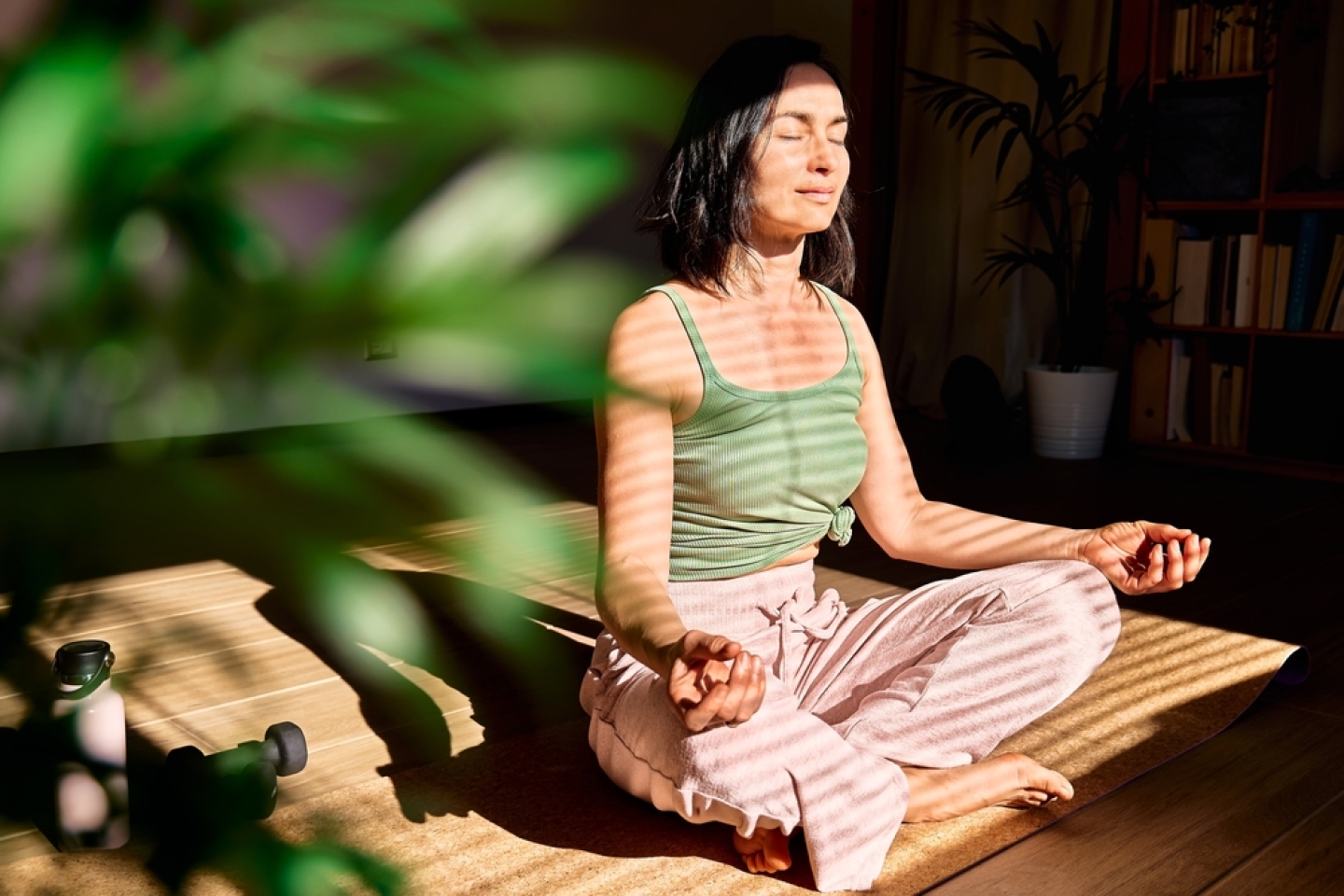
In today’s fast-paced and high-stress society, meditation has emerged as one of the most profound tools for cultivating mental clarity, emotional balance, and physical health. Far beyond its ancient spiritual roots, meditation is now supported by decades of neuroscience and clinical research, proving its effectiveness in managing stress, enhancing focus, and improving overall well-being. It is not simply a practice of stillness but a disciplined mental exercise that reshapes how the brain responds to life’s challenges. Understanding the science, techniques, and applications of meditation reveals why it has become an essential part of modern holistic health.
Achieve deeper calm with personalized meditation that adapts to your changing needs. Powered by meditailor.app – AI meditation app, this approach delivers customized guidance for stress relief, better sleep, and improved concentration, helping you build a meaningful and consistent meditation experience every day.
Understanding What Meditation Truly Is
Meditation is a practice of focused awareness, designed to train the mind to remain present and observe thoughts and sensations without judgment. Unlike relaxation or daydreaming, meditation involves conscious attention to the present moment, leading to deeper self-awareness and emotional regulation. It can take many forms, including mindfulness meditation, transcendental meditation, loving-kindness meditation, and breath-based focus, each serving a unique purpose.
At its core, meditation works by quieting the constant stream of thoughts, helping practitioners move from reactive behavior to intentional awareness. This shift allows the mind to process information more efficiently and promotes a state of mental clarity that benefits both psychological and physiological health.
The Science Behind Meditation
Recent advancements in neuroscience have shed light on how meditation physically transforms the brain. Studies using fMRI and EEG technology show that consistent meditation practice alters brain structure and function, particularly in areas related to attention, memory, and emotional control.
Key Neurological Changes
- Increased gray matter density: Regular meditation enhances gray matter in regions associated with learning, memory, and self-awareness.
- Reduced activity in the amygdala: The amygdala, responsible for fear and stress responses, becomes less reactive, resulting in greater emotional stability.
- Strengthened prefrontal cortex: Meditation improves decision-making and impulse control by strengthening the executive functions of the prefrontal cortex.
- Improved neural connectivity: Brain regions involved in attention and empathy communicate more effectively, leading to better focus and compassion.
These neurological changes are not temporary; long-term practitioners often exhibit structural changes in brain plasticity, which indicates a lasting transformation in how the mind processes experiences.
The Physiological Benefits of Meditation
Meditation’s impact extends beyond the mind. When practiced consistently, it influences multiple physiological systems, from cardiovascular health to immune response.
Stress Reduction and Hormonal Balance
Meditation lowers cortisol levels, the primary stress hormone that contributes to inflammation, weight gain, and anxiety. By activating the parasympathetic nervous system (the body’s relaxation response), meditation helps regulate breathing, heart rate, and blood pressure, fostering a state of equilibrium.
Enhanced Immune Function
Research shows that regular meditation boosts immune response by reducing inflammatory markers and increasing the production of antibodies. A balanced mind contributes to a resilient body, allowing it to better fight infections and maintain internal stability.
Pain Management
Mindfulness-based meditation activates the brain’s pain-regulating centers, reducing the perception of discomfort without relying on medication. It has been integrated into chronic pain management programs with measurable success.
Better Sleep Quality
Meditation improves sleep by reducing racing thoughts and calming the nervous system before bedtime. Practicing mindfulness before sleep enhances melatonin production and helps synchronize circadian rhythms for deeper rest.
Meditation and Mental Health
Meditation is increasingly recognized as a therapeutic tool for managing mental health conditions, including anxiety, depression, and PTSD. It helps individuals break free from cycles of negative thinking by cultivating awareness and acceptance.
Reducing Anxiety and Depression
Meditation disrupts rumination—the tendency to dwell on distressing thoughts—by training the brain to remain anchored in the present. Studies show that regular practice can reduce symptoms of anxiety and depression as effectively as certain psychotherapies. It also increases serotonin and dopamine levels, improving mood and motivation.
Enhancing Focus and Cognitive Performance
Through consistent practice, meditation improves sustained attention and working memory. Professionals and students who meditate regularly report increased productivity, creativity, and resilience to distractions. Even a few minutes of daily meditation can sharpen cognitive performance and enhance decision-making.
Emotional Regulation and Self-Awareness
Meditation fosters mindfulness, which allows individuals to observe emotions objectively instead of reacting impulsively. This skill enhances emotional intelligence, strengthens relationships, and promotes healthier coping mechanisms under stress.
Different Types of Meditation and Their Applications
1. Mindfulness Meditation
Originating from Buddhist traditions, mindfulness meditation emphasizes nonjudgmental awareness of the present moment. Practitioners observe thoughts, sensations, and emotions as they arise and pass, cultivating acceptance and focus. It is widely used in clinical settings to manage anxiety, depression, and chronic pain.
2. Transcendental Meditation
This practice involves repeating a mantra—a specific word or sound—to quiet the mind and transcend ordinary thought patterns. It promotes deep relaxation and enhances creativity and clarity through effortless concentration.
3. Loving-Kindness Meditation (Metta)
Loving-kindness meditation focuses on generating compassion toward oneself and others. By intentionally cultivating feelings of empathy and goodwill, this practice enhances social connection and emotional healing.
4. Guided Visualization
This form uses mental imagery to evoke positive emotions and reduce stress. Visualization techniques are often employed by athletes and professionals to enhance performance and mental resilience.
5. Body Scan Meditation
In body scan meditation, attention is directed to each part of the body to identify tension and consciously relax muscles. It improves body awareness and helps release accumulated stress.
6. Breath Awareness Meditation
By focusing on the rhythm of breathing, practitioners anchor their attention and calm the nervous system. This method is ideal for beginners and highly effective in reducing anxiety and panic responses.
Meditation in Daily Life
Integrating meditation into daily routines can be both simple and transformative. Consistency matters more than duration. Even five to ten minutes of daily practice can lead to noticeable improvements in mental clarity and emotional balance.
Practical Ways to Incorporate Meditation
- Begin the day with five minutes of mindful breathing before checking your phone or email.
- Use brief pauses during work to refocus and release tension.
- Practice walking meditation during daily commutes or nature walks.
- End the day with gratitude-based reflection to promote relaxation and better sleep.
Developing a dedicated meditation habit creates a mental “reset” that influences every aspect of life, from productivity to interpersonal relationships.
Meditation and Workplace Performance
Corporate environments are increasingly adopting meditation programs to improve employee performance and reduce burnout. Mindfulness-based interventions help workers manage stress, maintain focus, and enhance decision-making under pressure.
Organizations that integrate meditation into wellness programs report measurable improvements in creativity, job satisfaction, and teamwork. By fostering mental resilience, meditation not only benefits individual employees but also strengthens workplace culture and productivity.
The Role of Meditation in Longevity
Long-term meditators often display biomarkers associated with healthy aging. Meditation helps maintain telomere length—the protective caps at the end of chromosomes that shorten with age—suggesting that it can slow cellular aging. Reduced stress hormones, improved cardiovascular health, and stable emotional states all contribute to longevity and vitality.
Overcoming Common Misconceptions
Despite its proven benefits, meditation is often misunderstood. Many assume it requires religious commitment, sitting perfectly still, or achieving a blank mind. In reality, meditation is a secular, adaptable practice suitable for anyone. The goal is not to eliminate thoughts but to observe them without attachment. Progress is gradual, and even brief, imperfect sessions contribute to lasting benefits.
FAQs
How long should I meditate daily to see results?
Even 10 minutes a day can produce noticeable improvements in focus and emotional regulation. With consistency, benefits compound over time, leading to deeper states of calm and clarity.
Can meditation help with physical health problems?
Yes. Meditation has been shown to reduce high blood pressure, improve immune response, and alleviate symptoms of chronic pain and inflammation. It supports overall physical well-being by reducing stress-related damage to the body.
Do I need a teacher or can I meditate alone?
While guided sessions or instructors can accelerate learning, anyone can begin meditating independently. Using a quiet space, comfortable posture, and focused breathing is enough to start.
Why do I get distracted easily during meditation?
Distraction is natural. The goal is to gently bring your focus back to the breath or point of attention whenever the mind wanders. Each redirection strengthens concentration.
Can meditation replace sleep?
No, meditation complements but does not replace sleep. However, it can improve sleep quality and reduce the time needed to fall asleep.
How long does it take to experience deeper benefits?
Most people begin to notice reduced stress and improved concentration within a few weeks. Long-term practice enhances emotional intelligence, memory, and resilience over months or years.
Is meditation suitable for children or the elderly?
Absolutely. Meditation can be tailored for all ages. Children benefit from improved focus and emotional control, while older adults experience better cognitive function and reduced anxiety.
Does meditation conflict with religion?
No. Meditation is a universal practice rooted in self-awareness and mindfulness. It can be practiced secularly or within any spiritual framework.
Meditation is more than a wellness trend; it is a scientifically validated method of cultivating inner balance and self-awareness. By integrating it into daily life, individuals can harness the mind’s potential to transform stress into clarity, chaos into focus, and ordinary moments into profound awareness.