

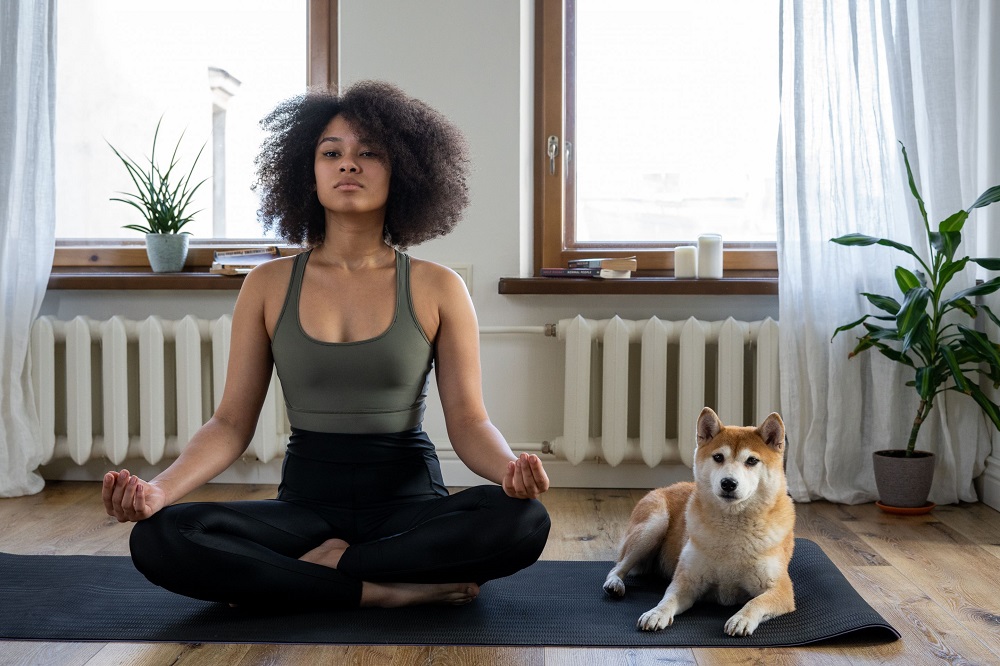
In our fast-paced modern world, the search for balance and mental clarity has led millions of people to ancient wellness disciplines. Among the various practices available today, yoga and meditation consistently stand out as transformative tools for self-care. Yet, many people treat these two disciplines as entirely separate activities. Yoga is often viewed merely as physical exercise designed to increase flexibility and tone muscles in a fitness studio, while meditation is viewed as a sedentary mental exercise practiced in quiet isolation.
This division misses the profound synergy that emerges when physical movement and contemplative stillness are reunited. Historically and philosophically, yoga postures and seated meditation are two branches of the same tree. Movement was originally developed to prepare the physical body to sit comfortably in stillness, while meditation refines the mental awareness needed to execute physical postures with grace and focus.
When practiced together, they form a complete mind-body system that trains the nervous system, cultivates emotional resilience, and establishes a foundation for mindful living that carries over into every area of daily life.
The Shared Philosophical Foundation
To understand how yoga and meditation complement each other, it helps to examine their common roots. In classical philosophical traditions, physical postures, known as asanas, are merely one component of a broader path toward self-realization.
The traditional framework organizes practice into a logical progression that begins with ethical behavior and progresses inward toward mental mastery:
-
Somatic Preparation: The physical body must release accumulated physical tension, open the joints, and stabilize the spine so that stillness does not cause pain or distraction.
-
Breath Regulation: Controlling respiration, or pranayama, bridges the voluntary and involuntary nervous systems, clearing lethargy and agitation from the mind.
-
Sensory Withdrawal: Practitioners learn to disengage from constant external stimuli, directing their awareness inward rather than reacting to surrounding noise.
-
Focused Attention: Developing single-pointed concentration lays the groundwork for sustained, unbroken contemplation.
-
Meditation and Absorption: The mind settles into deep, effortless awareness, dissolving the artificial boundary between the observer and the present moment.
When viewed through this comprehensive lens, a physical yoga session is not merely a workout; it is meditation in motion. Every posture, transition, and held breath serves as an active training ground for the seated stillness that follows.
Preparing the Physical Body for Seated Stillness
One of the most practical reasons yoga and meditation work so effectively together is biological. Anyone who has attempted to sit completely still on a meditation cushion for thirty minutes knows the physical challenges that arise: aching hips, tight hip flexors, a rounded lower back, and burning tension between the shoulder blades.
When physical discomfort dominates your awareness, mental meditation quickly turns into an agonizing battle against bodily aches. Physical yoga asanas address these musculoskeletal limitations systematically:
-
Opening the Hips and Pelvis: Poses like pigeon pose, bound angle pose, and low lunges release chronic tightness in the psoas and piriformis muscles, allowing the pelvis to tilt forward into a neutral position that supports the spine.
-
Strengthening the Spinal Stabilizers: Poses such as cobra, locust, and downward-facing dog build endurance in the erector spinae and core musculature, preventing the upper back from slouching during seated practice.
-
Releasing Stored Fascial Tension: Gentle dynamic stretching hydrates connective tissues and loosens bound fascia, removing the restless, fidgety energy that often plagues sedentary workers.
-
Enhancing Circulation: Moving through postures stimulates blood flow and lymphatic drainage, preventing limb numbness and joint stiffness when sitting down to meditate.
By releasing physical restlessness on the yoga mat, you allow the physical body to step aside, creating the comfort necessary for the mind to turn inward without physical distraction.
Breathwork as the Neurological Bridge
Between the physical postures of yoga and the quiet stillness of meditation lies the breath. Respiration is unique in human physiology because it is the only vital function that is both entirely automatic and easily controlled by conscious thought.
Modern life keeps many adults trapped in a state of sympathetic nervous system dominance, commonly known as the fight-or-flight response. Shallow chest breathing, rapid pulses, and elevated cortisol levels make meditation feel nearly impossible. Rushing straight from an urgent work project into silent meditation often results in a racing mind and heightened anxiety.
Controlled breathwork serves as the neurological bridge that downregulates the nervous system:
-
Activating the Vagus Nerve: Slow, deliberate diaphragmatic breathing stimulates the vagus nerve, signaling the heart to lower its rate and initiating the parasympathetic rest-and-digest response.
-
Lengthening the Exhalation: Extending the duration of the exhalation relative to the inhalation lowers systemic blood pressure and relieves physical tension throughout the chest and neck.
-
Establishing an Attentional Anchor: The physical sensation of air moving across the nostrils or the rhythmic expansion of the belly provides a dynamic focal point that quiets mental chatter before silent meditation begins.
-
Balancing the Hemispheres: Alternate nostril breathing harmonizes the autonomic nervous system, balancing mental alertness with emotional calm.
Using intentional breathwork at the conclusion of a physical yoga sequence primes the brain, smoothly transitioning your biology into the calm mental state required for deep meditation.
Cultivating Somatic Awareness and Interoception
A core component of mindful living is interoception, the brain capacity to sense, interpret, and integrate internal signals originating from inside the body. Many people live almost entirely in their heads, ignoring internal cues until physical exhaustion, chronic pain, or emotional burnout forces them to stop.
Yoga cultivates interoceptive awareness by asking you to feel movement from the inside out:
-
Tracking Subtle Muscular Adjustments: Engaging the quadriceps to protect the knee or softening the jaw during a difficult balance pose teaches practitioners to notice micro-tensions before they become painful habits.
-
Observing Edge Sensations: Holding an intense stretch trains individuals to distinguish between productive discomfort, which fosters growth, and sharp pain, which signals danger.
-
Mapping Emotional Holding Patterns: Stress, grief, and unresolved anger frequently manifest as physical tension in the hips, neck, and chest. Moving through these regions uncovers somatic holding patterns that can be processed and released.
When you transition from yoga postures into meditation, this heightened interoceptive awareness becomes the canvas for your contemplative practice. You no longer observe your mind from a detached intellectual perspective; you observe your entire embodied self, recognizing how thoughts create physical sensations and how bodily states shape mental emotions.
Translating the Dual Practice into Mindful Living
The ultimate objective of integrating yoga and meditation is not simply to become skilled on a rubber mat or comfortable on a velvet cushion. The true goal is mindful living, which means carrying that calm presence into your personal relationships, professional career, and daily choices.
The dual practice trains habits that directly enhance your response to everyday life:
-
Pausing Between Stimulus and Response: On the yoga mat, you practice staying calm while holding a physically challenging pose rather than immediately collapsing. In daily life, this develops the emotional restraint needed to pause during a tense workplace conversation instead of reacting with frustration.
-
Releasing Attachment to Outcomes: Meditation teaches you to observe passing thoughts without clinging to pleasant ones or pushing away uncomfortable ones. This non-attachment helps you handle unexpected disruptions, such as travel delays or lost opportunities, with patience and equanimity.
-
Cultivating Single-Tasking Efficiency: Combining movement with breath trains the brain to do one thing at a time with complete presence, countering the modern habit of distracted multitasking.
-
Cultivating Compassionate Self-Talk: Overcoming physical limitations on the mat without self-judgment fosters a supportive internal dialogue that replaces harsh inner criticism during difficult life moments.
By moving your body with intention and quieting your mind with consistency, mindful living stops being an abstract concept and becomes a natural, daily habit.
Structuring a Balanced Daily Session
You do not need two hours of free time every day to experience the transformative effects of combining these practices. A well-designed twenty-to-thirty-minute session can deliver profound physical and mental benefits when sequenced with intention.
Consider this balanced framework for a daily routine:
-
Five Minutes of Centering and Warm-up: Begin seated or lying flat on your back. Take several deep abdominal breaths to drop your awareness into the present moment, followed by gentle cat-cow stretches to mobilize the spine.
-
Fifteen Minutes of Asana Flow: Move through a series of standing postures, gentle hip openers, and restorative twists to release surface fatigue, lengthen tight muscle groups, and elevate your heart rate moderately.
-
Five Minutes of Pranayama: Return to a comfortable seated position on a block or cushion. Practice balanced box breathing or alternate nostril breathing to soothe your nervous system and clear mental distractions.
-
Five to Ten Minutes of Silent Meditation: Close your eyes and let go of intentional breath control. Rest your awareness on the gentle rhythm of natural breathing, observing whatever thoughts, emotions, or somatic sensations arise without judgment.
Consistency across several days each week produces far deeper adaptations than an irregular, two-hour session performed once a month.
Frequently Asked Questions
Is it better to practice yoga before meditation, or should meditation come first?
Practicing yoga before meditation is generally far more effective for most people. Physical movement releases restless physical energy, relieves muscle stiffness, and balances the autonomic nervous system, which makes sitting in still meditation significantly easier and more comfortable. However, if your body already feels calm and relaxed, a brief three-minute centering meditation can be performed before yoga to set an intention for your movement session.
Can individuals with severe physical limitations or injuries still combine yoga and meditation?
Yes, yoga is adaptable to any physical baseline and is not restricted to advanced floor postures. Gentle chair yoga, supported restorative yoga using bolsters, or simple gentle joint rotations provide the same somatic awareness and nervous system regulation as rigorous styles. For individuals dealing with injuries, using physical modifications allows the body to prepare for meditation safely without aggravating sensitive joints.
What is the difference between mindfulness meditation and traditional yogic meditation?
Mindfulness meditation typically focuses on open monitoring and detached awareness of whatever thoughts, sounds, and physical sensations arise in the present moment without attachment. Traditional yogic meditation often begins with focused concentration, using a specific anchor such as a single point of light, a repeated mantra, or a specific breathing ratio to absorb the mind before transitioning into broad contemplative awareness. Both methods share the core goal of calming mental distractions.
Why does deep emotional release sometimes occur during hip-opening yoga postures before meditation?
The hips and pelvis house major muscle groups, including the psoas, which contract automatically during the autonomic fight-or-flight stress response. When an individual experiences chronic stress, anxiety, or emotional trauma, the body often holds unconscious muscular bracing patterns in these areas. Moving through deep, passive hip openers gently releases this chronic somatic contraction, which can occasionally trigger unexpected emotional releases like tears or deep sighs as the nervous system unwinds.
How does regular yoga practice alter brain waves during subsequent meditation sessions?
Electroencephalogram studies demonstrate that engaging in mindful physical movement followed by rhythmic breathwork increases alpha and theta brain wave activity. Alpha waves correspond to a state of relaxed physical alertness, while theta waves reflect deep contemplative tranquility and creative thought. Moving through asanas helps clear the erratic, high-frequency beta waves associated with daily stress, allowing the practitioner to transition into restorative alpha and theta states much faster during meditation.
What type of meditation cushion or prop is recommended for beginners who struggle with posture?
A firm zafu cushion, a rectangular meditation bolster, or a yoga block placed under the sit bones is ideal for beginners. Elevating the hips two to four inches above the knees allows the pelvis to tilt slightly forward, restoring the natural inward curve of the lower lumbar spine. This elevated alignment takes strain off tight hip flexors and prevents the lower back from slouching, making upright meditation comfortable for longer periods.
Can yoga and meditation help alleviate symptoms of physical tension headaches?
Yes, combining these practices directly targets the primary physiological drivers of tension headaches. Gentle yoga postures release muscular spasms in the upper trapezius, levator scapulae, and suboccipital muscles at the base of the skull, which are common culprits behind referred head pain. Meanwhile, meditation and diaphragmatic breathing downregulate the sympathetic nervous system, lowering overall vascular tension and reducing the stress hormone production that triggers chronic headache flare-ups.